Tiếng Việt
American Alder
Physical and mechanical properties
Alder wood has a medium density but is relatively soft. Alder wood has low flexural strength, is impact resistant, and has stiffness. This wood is easily machined and turned and can be polished and stained to give a great finish.
|
Specific Gravity (12% M.C.) |
0.41 |
|
Average Weight (12% M.C.) |
449 KG/M3 |
|
Average Volume Shrinkage |
10.10% |
|
Modulus of Rupture |
67.571 Mpa |
|
Modulus of Elasticity |
9515 Mpa |
|
Compressive strength (parallel to grain) |
40.129MPa |
|
Hardness |
2624N |
Performance
Alder machines easily and is good for planning, drilling, boring, carving, molding, nailing, screwing, and gluing, making them highly suitable for furniture and joinery. The wood is non-resistant to heartwood decay but is permeable to preservative treatment.
|
|
Bad |
Medium |
Good |
Excellent |
|
Sawing |
|
|
√ |
|
|
Plane |
|
|
√ |
|
|
Drilling |
|
|
√ |
|
|
Boring |
|
|
√ |
|
|
Lathing |
|
|
|
√ |
|
Carving |
|
|
√ |
|
|
Decorative moldings |
|
|
√ |
|
|
Nail grip |
|
|
√ |
|
|
Glue stickiness |
|
|
√ |
|
|
Finish |
|
|
|
√ |
Main uses
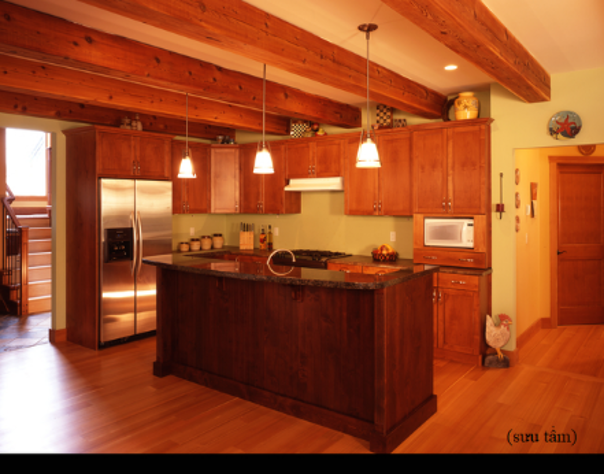
This prolific hardwood from the Pacific Northwest, with excellent environmental credentials, is used for furniture, kitchen cabinets, and interior joinery. It is also used for doors and paneling. The grain pattern and color of alder make it suitable as a substitute for Cherry.