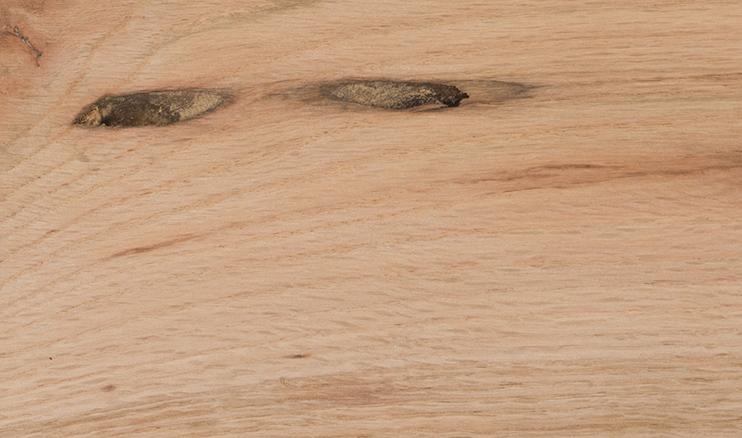
Characteristics
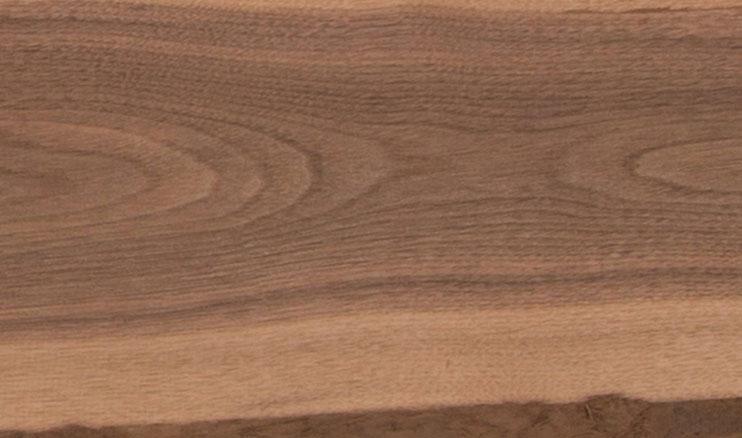
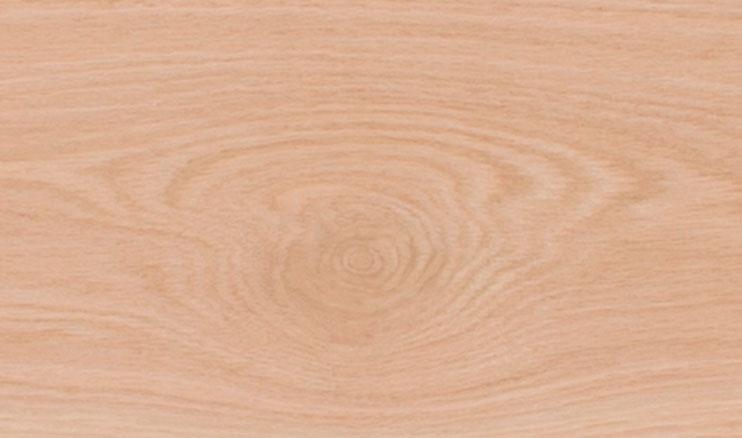
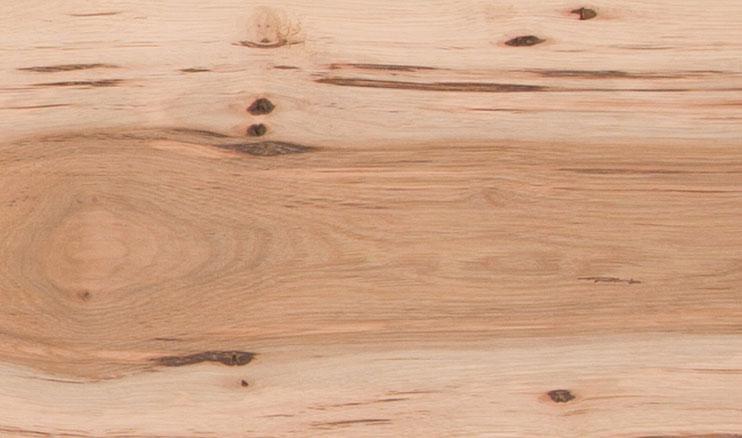
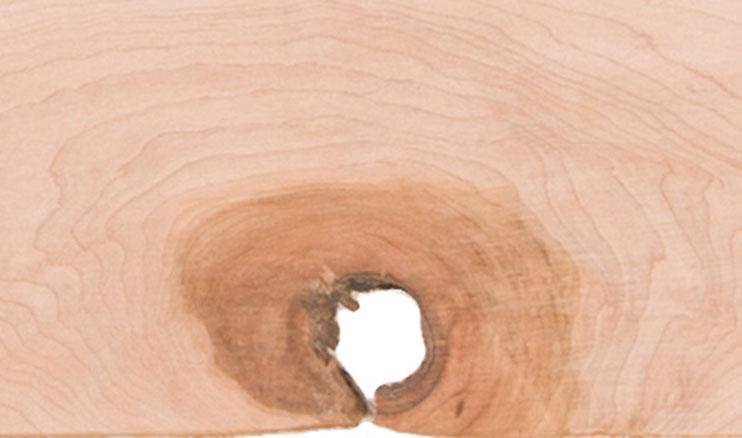
The image below demonstrates the properties present in American hardwood. Some of them are inherent characteristics of some species and others are characteristics common to all. These properties either occur naturally in lumber or as a result of drying. As noted above, types are classified based on the ratio of good wood and no defects in the panel.
NHLA classification rules allow the following characteristics in good cutting ratios for all types and, as such, they are not considered defective.
Core wood and marble wood
Core wood is a mature wood, usually darker in color, extending from the wood to the bowel. Wood is a lighter-colored wood that darkens from the inside of the shell to the core wood.
Wood vortex
A swirl or twist in the piece of wood has no wooden eyes.
Streaks dark
Splashes like mineral colors with natural colors appear only in cherry wood.
Mineral streaks
The streaks range in color from olive to blackish-brown, often following the wood grain.
Streaks
Random streaks resemble mineral streaks. Often present on ash wood.
Sticker mark
Traces left on the laminate from the sticker due to weathering, can be removed by the method of treatment or surface planing.
Note: although the nhla classification rules do not consider these traits to be defects for the standard category, there are adjustments when conducting classifications for each individual species. For example, species such as hardwood maple and ash are even more attractive if the majority of the panels are marry wood (white) and very little core wood. The opposite is true for species such as cherrywood, oak and walnut. It is important that buyers are familiar not only with each species, but also with forest growth areas throughout the united states. Climate, soil, and growing conditions such as hills and valleys all play an important role in plant growth. As mentioned above, nhla rules are the framework for starting the trading process.
More information about the characteristics in individual types is available in other AHEC technical publications.
The NHLA classification rules do not allow for the following characteristics in white sections for all types and, therefore, they are considered defective.
Disadvantages
Pecking bird marks
Considered non-defective.
Good eyes
Considered non-defective.
Sticker stains
Considered non-defective.
Wormholes
Considered non-defective.
Casing bag
Considered defective, unless the defect-free cutting section requirements are met.
Cracks
If cracks can be removed by surface treatment to standard surface treatment thickness, acceptable in the white chop wood section, otherwise it will be considered non-defective.
Rotting and rotten
Considered defective.
Eye defect
Considered defective, unless the defect-free cut requirements described on page 19 are met
Clearance
The gap is considered defective.
Shake
Shake is a separation between the annual growth rings.
Defects
Considered defective.
Foam core
Considered defective.
Larval hole
Considered defective, unless the defect-free cut requirements described on page 19 are met.
Note: The following defects are considered sound and are allowed in the clear cuttings of 2B common; bird pecks, sound knot, sticker stain and worm holes.


 Tiếng Việt